August 3, 2026
Homeownership comes with a long list of hidden responsibilities, and few are as critical yet easily ignored as underground wastewater management. Out of sight and out of mind, your backyard waste system quietly processes everything that washes down your drains every single day. However, failing to maintain this system properly can lead to catastrophic backups, ruined yards, and incredibly costly emergency repairs. Knowing when to schedule a professional septic service can mean the difference between a smoothly running household and an expensive plumbing nightmare.
Many property owners mistakenly believe that as long as the toilets flush, everything beneath the lawn is functioning perfectly. In reality, solid waste slowly accumulates at the bottom of the tank over time and must be physically removed before it escapes into the absorption field. Determining the ideal frequency for this essential task requires looking closely at several key household factors. Let us dive into the mechanics of your system so you can make informed decisions and keep your property safe.
Understand the Basic Mechanics of Waste Management
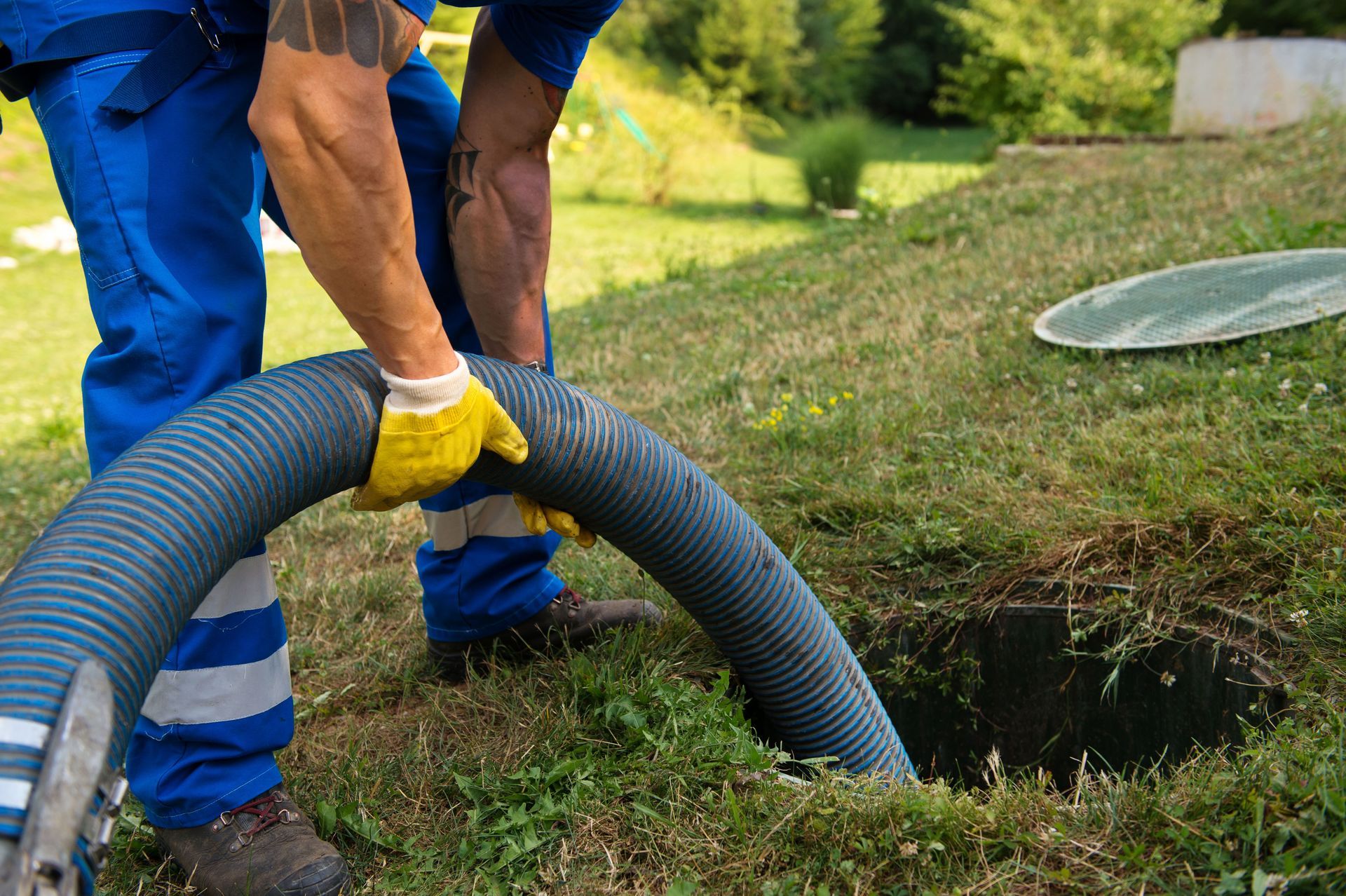
To comprehend why routine pumping is so vital, you must first understand how your subterranean system processes daily household waste. Every time you wash dishes, run the laundry, or flush a toilet, the wastewater travels down your pipes and pours into a large concrete or plastic holding tank. Once inside, the heavy solid materials settle to the bottom to form a thick layer of sludge, while lighter greases float to the top as scum. Liquid effluent remains in the middle and slowly exits the tank into a designated absorption area, also known as the drainfield.
Natural bacteria live inside the tank and work tirelessly to break down the solid materials as much as possible. Unfortunately, these microorganisms cannot decompose everything, meaning the bottom layer of sludge will continually rise over the months and years. When the accumulation of solids gets too high, they begin to flow out with the liquid and clog the soil in your drainfield. This is why securing a routine septic service to extract the buildup is an absolute necessity for every homeowner.
Evaluate the Key Factors Influencing Pumping Frequency
There is no single, universal schedule that applies perfectly to every household because waste production varies dramatically from home to home. According to This Old House, a typical family of four utilizing a standard 1,000-gallon reservoir will generally require cleanouts every three to five years, though this timeframe fluctuates based on daily water consumption and the number of residents. Smaller families living in larger homes may be able to stretch this window slightly further without facing immediate danger of a backup. Conversely, a crowded household utilizing a smaller tank will find itself needing to empty the system much more frequently to avoid issues.
Total water usage is another massive variable that directly impacts how quickly your system fills up with sludge. Homes with high-efficiency appliances and low-flow plumbing fixtures put significantly less hydraulic stress on their waste systems overall. When excessive amounts of water constantly flood the tank, the solids do not have enough time to settle properly. This turbulent flow forces suspended particles into the soil treatment area, resulting in premature system failure and expensive repairs.
The specific types of items you flush down your drains also play a massive role in overall system health. Garbage disposals, for instance, dramatically accelerate the rate of solids accumulation by introducing undigested food particles to the holding tank. If you regularly use a disposal, you should plan to hire a septic service more frequently than standard guidelines suggest to keep things balanced. Chemicals, harsh detergents, and heavy household cleaners can also kill the beneficial bacteria that help break down organic materials naturally.
Recognize the Warning Signs of a Failing System
Waiting until raw sewage backs up into your bathtub is the worst possible way to discover that your tank is overdue for maintenance. Fortunately, your plumbing will usually exhibit several subtle warning signs well before a complete environmental disaster occurs. One of the most common early indicators of trouble is a slow drain in multiple sinks or showers throughout your home. If plunging does not resolve the issue, the bottleneck is likely located deep within your main sewer line or the overloaded tank itself.
Gurgling sounds emanating from your pipes when you run water are another classic warning sign that should never be ignored. This noise indicates that trapped air is struggling to escape through a system that is already choked with excessive waste. When you notice these auditory clues, booking a timely septic service inspection should become your top priority. Ignoring the sounds will only allow the internal pressure to build, eventually forcing waste back up into your living spaces.
You should also step outside regularly and perform a quick visual inspection of the lawn directly above your burial site. Unusually lush, vibrant green patches of grass in that specific area are actually a major red flag rather than a sign of a healthy lawn. This hyper-growth happens because overflowing liquid nutrient-rich waste is bubbling up near the surface and fertilizing the turf. If the ground feels spongy underfoot or smells distinctly like sulfur, your system has already begun discharging untreated wastewater onto your property.
Implement a Smart Maintenance Schedule for Longevity
Taking proactive measures to care for your system will save you thousands of dollars in premature replacement costs over the years. The best way to start is by scheduling a professional septic service assessment to determine the current depth of your sludge layers. A certified technician can accurately measure these layers and tell you exactly how close your tank is to reaching its maximum capacity. This physical inspection removes all the guesswork and allows you to establish a highly customized maintenance timeline.
In addition to scheduled cleanouts, practicing mindful water habits inside the home can dramatically reduce wear and tear. Spreading laundry loads out over the week rather than doing them all on one day prevents the tank from being overloaded with water. You should also instruct everyone in your household to never flush baby wipes, feminine hygiene products, or paper towels down the toilet. These modern materials do not dissolve in water and will instantly crowd your tank while risking serious pipe blockages.
Keeping detailed records of every septic service visit is another excellent habit that pays dividends down the road. Note the date of the visit, the name of the contractor, the amount of sludge removed, and any specific notes about the system's condition. Having this documentation readily available is incredibly helpful if you ever decide to sell your home or need to troubleshoot future issues. It proves to potential buyers that you have cared for the property diligently and maintained the infrastructure correctly.
Finally, make sure to protect the physical area surrounding your system, especially after receiving a thorough septic service. Never park heavy vehicles, build structures, or plant trees with aggressive root systems directly over your buried plumbing components. Soil compaction can easily crush fragile PVC pipes, while invasive roots can penetrate tank seams and cause devastating structural leaks. Keeping this zone clear and unobstructed ensures that the natural filtration process can occur without any dangerous interruptions.
Maintaining a healthy home environment requires paying close attention to the utilities operating quietly beneath your feet. While it is easy to forget about waste management when things are running smoothly, waiting for a crisis to occur is always a costly mistake. By tracking your household usage, watching for warning signs, and investing in routine professional maintenance, you can keep your system operating flawlessly. Taking these simple, proactive steps today ensures that your home remains safe, clean, and highly functional for many decades to come.
At Alexander Sewer & Drain Service, we stand ready to help you manage your home's wastewater needs with precision and care. Our experienced team is fully equipped to handle everything from routine inspections to comprehensive
septic service that keeps your system in peak condition. Contact us today to schedule your next appointment and experience the peace of mind that comes with a perfectly maintained household.